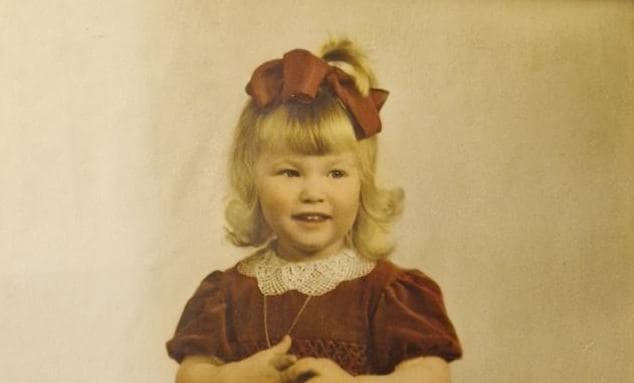
A Trauma on Liberation Day
From Stavne Cemetery, where Inger Nordtømme is buried alongside her parents, one’s thoughts turn to the small hamlet just south of the cemetery.
Inger Nordtømme 1940–1945: A Trauma on Liberation Day
From Stavne Cemetery, where Inger Nordtømme is buried alongside her parents, one’s thoughts turn to the small hamlet just south of the cemetery. Inger grew up there in a close-knit and lively family community along the River Nidelva. She was born in 1940 and died before reaching the age of five.
Nydalen Farm, where much of the family lived, was a natural gathering place for relatives and neighbours. The area was characterised by a quiet, rural way of life, with children playing along the river and a close-knit community in a caring environment.
Inger’s life was brief, and her fate was tragic. She was the cherished little girl of the hamlet, loved by everyone. Inger enjoyed singing, and she sang with a joy that made a lasting impression on those around her.
8 May 1945 was Liberation Day. Across the country, people rejoiced and celebrated after five years of occupation. There was excitement in Nydalen too that day. Some neighbours had lit a bonfire, and Inger went with her mother to watch it. They walked hand in hand along the road, close to the farm where they lived. At the time, this was the main road to Oslo. A German vehicle approached and swerved towards them. Something protruding from the vehicle struck Inger and knocked her to the ground. Her mother picked her up in her arms, and Inger was rushed to hospital. She died from her injuries the following day, not yet five years old.
While the rest of the country celebrated its freedom, the days of liberation in Nydalen were marked by grief. Inger’s story has lived on, both as a close and cherished memory of a little girl loved by everyone and as the story of a local community traumatised by a sudden and incomprehensible loss.
In 2013, one of Inger’s mother’s cousins wrote:
“Little Inger Nordtømme, five years old and everyone’s darling, was run over and killed by drunken Germans. The grief was immense and cast a shadow over the euphoria at the end of the war.”